The Language of Hopelessness

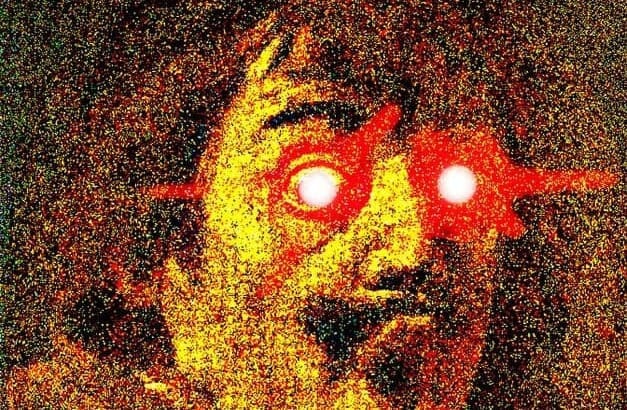
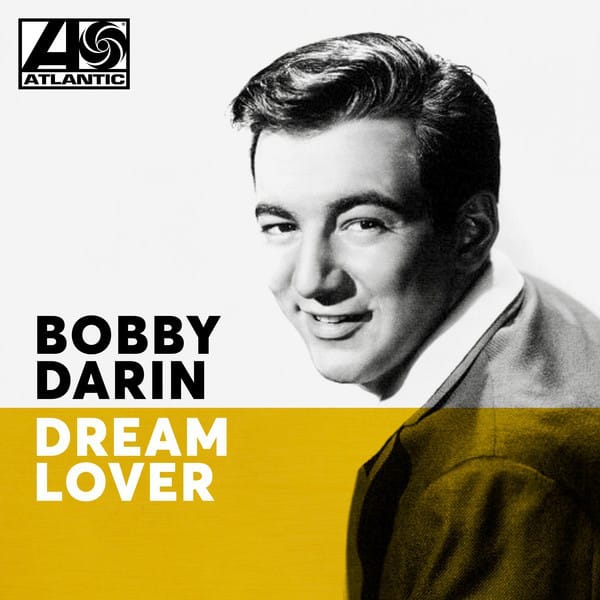
Song crush of the week: Big Brother, Stevie Wonder
“My name is secluded
We live in a house the size of a matchbox
Roaches live with us, wall to wall.”
Stevie wrote this in a context of the civil rights movement, but his words still resonate with a lost generation. My generation.
This past Tuesday I tried teaching a friend about Gen Z online slang. Terms like mogging, lowkenuinely, looksmaxxing, unc just flew past my friend.
For how much of an old soul I am, I like to think that I keep up well with online culture. This discussion somehow coincided with Clavicular being a guest this week on the Adam Friedland Show, with Adam Friedland trying his best with finding a shred of personality in this mythical person. Clavicular “mogs” in anything but personality. For such a phenom, he watches no movies, reads nothing, doesn't have fun, his friends don’t really like him, and he is infertile.
The first time I felt a detachment with online culture was when a college friend sent me those meow meow AI generated cat reels. I remember surreal memes, deep fried memes, soyjacks, and so many more; but these cat AI reels were not even steeped in any irony or any kind of underlying meta-joke.
I think we have reached a point in our culture so empty, so nonsensical, so hopeless that we also have accepted how screwed things are. Brainrot, gooning, edging: We throw these terms out so easily and without any thought to their crassness. There’s no partying or forming bonds with your friends with brainrot. Vulgarity without meaning, scrolling without thinking.
I come from a culture in Morocco of learned helplessness. Decades of corruption and political upheaval have left a population clutching at spiritual straws. What this hopelessness does to one’s language and everyday outlook is really something. On the surface it’s funny, it’s ironic, and full of contradictions. We poke fun at our social inequalities, at the fact there are multi-million dollar houses in one street and chicken laying an egg in a shanty town in the next street.
Moroccan language is crass, vulgar, albeit honest. And it’s unhealthy. The late 90s and early 2000s were at least fostering important cultural moments from this cynicism, from great magazines, political currents, and trends. There was hope for renewal. However, the hope of a generation never materialized. Where the vulgar language spoke the words of renewal, it is now a nihilistic medium.
Like Moroccan language, the same thing is happening to the online vernacular. This is genuinely the first time where I cannot see anything good coming out from this new wave of internet language. To be fair, when the edgy wave hit the internet in the 2010s, a lot of it stayed in the fringes, and few elements rose to prominence. It was enough however to get an impression of a cultural shift and contribute to Trump’s rise and the far-right more broadly. But it was at least producing something, even if a lot of it was in retrospect not the best.
Many internet personalities came to their senses after the excesses of the edgy wave wound down. Joji became an artist, Pewdiepie became a tech luditte millionaire retiree, the dirt bag left of the Cumtown crowd grew up to produce better content. But the hopelessness of a generation lingers and manifests in Clavicular, groomed by Kick.com to print out money. It shows up in our addictive Instagram reel machines, an app that was first designed to post atrocious pictures of your food. The hopeless edginess of previous generations is not fizzling, it’s growing.
How can there be meaning in culture if there is no culture necessary to breed it? The Virtual City is in dire need of help, and it needs to be bailed out by the real world.