Where are we born?

We understand that no one can control where one is born. We humans know that the only things in our environment we can control are those that we immediately influence. That is why when we live in a region prone to earthquakes, we build structures that resist tectonic shifts and assist society to mitigate the material effects of the quakes. Controlling tectonic plates is an impossible task, so we focus on the areas of life we control.
But when people are born in abject human conditions brought forth by human calamity like war or poverty, we reflexively respond, “Their luck. I am lucky to be born privileged.”
I was born in the Virtual City
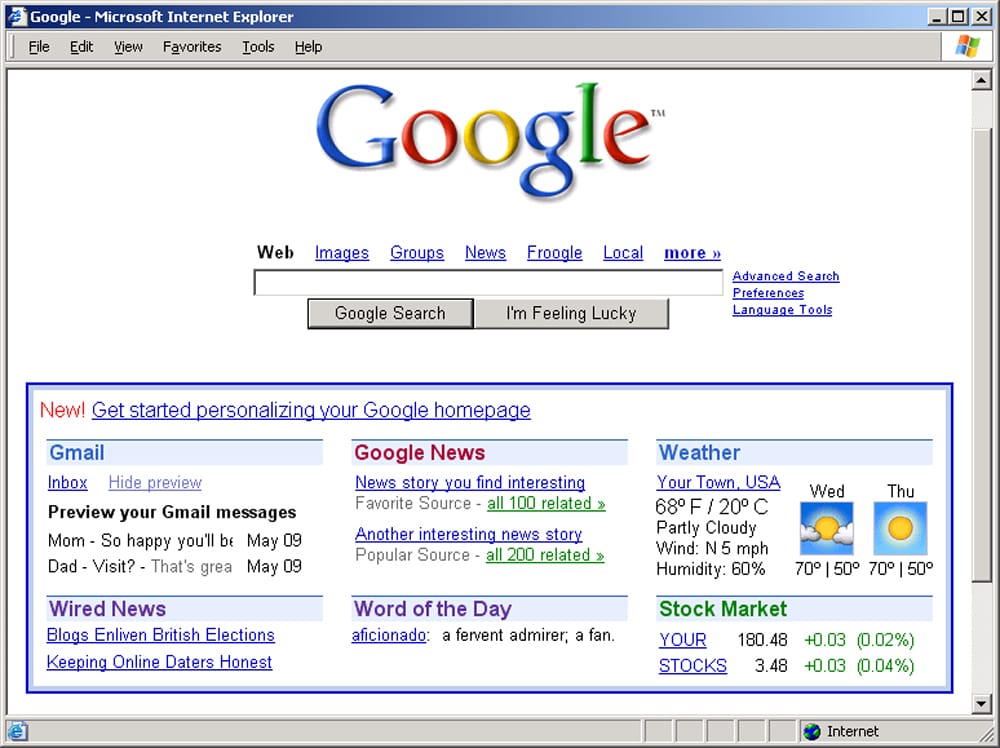
I first entered the Virtual City around the ages of 4 or 5. I would unintelligibly press on random buttons on Internet Explorer on my dad’s Compaq laptop. Eventually I learned to browse on miniclip to play flash games and then YouTube to watch funny videos with my brothers. As I grew older, I relied on the web for entertainment, for education through Wikipedia, Khan Academy, and early social media to connect with friends.
I never had a say in whether I chose the Virtual City, but it was imposed on me as previous generations deemed it to be useful for their daily lives. The web helped my parents’ generation connect with people instantly for the first time in our history. It helped people stay closer to their families who could be scattered across the world, helped avoid travelling to the post-office, downtown for entertainment, or to the library for books. It was the ultimate tool for convenience.
Just as I never had a say in entering the Virtual City, my parents’ generation never had a say in who could administer that technology. It all happened so fast: The fall of the Berlin Wall, countries entering and coming out of civil wars around Europe, Asia, and Africa. With this newfound political scene came the promise of economic revival: The dissemination of media through cheap formats like mp3, the globalization of the PC, and telecom companies rapidly building out their 3G and Wi-Fi capacities. The uniquely global reality of the late 80s and 90s was the perfect storm for a handful of companies to take over the web.
And we can apply that logic to my grandparents’ generation: My parents’ living conditions were imposed on them by their forefathers.
You get the idea. Our children’s children are impacted by us.
For some lucky people, the Virtual City is a place of privilege as their physical lives are pretty comfortable, shielded from the online world. For the few of the unlucky many who do not enjoy the luxuries of the non-digital world, social media algorithms can be a boon to their lives and they are drowned in user activity. Then there are the underpaid delivery app drivers, who incessantly try to game the algorithm to break even. Or the gig workers around the world who annotate data, design graphics, code websites, or clean people’s houses; how will they compete in this post-industrial society?
As for me, I am part of the lucky few as my job in software development is in demand. Still, my attention is siphoned by social media, and software is threatened by companies whose end-goal is to automate writing code and take over the web. I have ways to mitigate my attention issues, and I believe that LLMs can only lead to worse software. Yet I cannot help but imagine the scenario where companies have their way. Fast fashion won over skilled tailors for a worse quality of clothing: What tells me the same will not happen for software?
Suddenly I am out of a job and need to actively look for a new career. If companies want to automate all white-collar and blue-collar jobs through machine learning models and robotics, what else is there left for me? What about my fellow engineer? The public service might be a great option some might say, but fear not as machine learning will also automate all of those services too. That leaves me with the Virtual City where I grew up and the industries it has taken over from the physical world. Alas, it is rife with AI agents talking to each other in a massive tower of babel, speaking the language of their designers and not that of those they service.
Now I live in a world where I am part of the many who were pushed out of making a living. The owners of the machine learning systems are the new kings of the hill and built walls around them, giving audience to those they allow in.
The young kings will one day have children who will grow up in this reality. The kids will mature into adults and wonder about the conditions they were born into and how the rest of the world lives in abject conditions. To this reality they reflexively respond, “Their luck. I am lucky to be born privileged.”